
Spotting Issues Early Can Save Your Walls and Wallet
Drywall is a staple in modern homes, offering a smooth surface for walls and ceilings. However, it’s not immune to damage. Identifying problems early can prevent costly repairs. Knowing what signs to look for will help you maintain your home better and ensure it remains safe. In this article, we’ll explore how to recognize different types of drywall issues so that you can address them before they become bigger problems.

Cracks and Their Causes
One common sign of drywall damage is cracking. Cracks often appear due to settling of the house or temperature fluctuations. They are usually found near windows, doors, or corners of rooms. Though some cracks may seem minor, ignoring them can lead to more extensive problems. If you notice any cracks, consider consulting a professional for an assessment to decide if drywall repair is necessary.
Water Stains as a Warning Sign
Water stains on drywall are another indicator of potential damage. These stains might suggest leaks from roofs, plumbing, or even condensation issues. The stains usually appear as brownish spots and may expand over time. Addressing water stains promptly is crucial because prolonged exposure can weaken the structure and lead to mold growth, which requires extensive drywall repair.
Bubbling Paint Surfaces
If you see paint bubbling or peeling away from your drywall, it’s a sign that moisture has permeated the surface. This could be due to high humidity levels in the room or leaks behind the wall. Bubbling paint indicates underlying issues that need fixing before repainting. It’s essential to investigate the root cause to prevent further deterioration.
Nail Pops: Small yet Significant
Nail pops occur when nails push through the drywall surface, creating small bulges or circles on walls or ceilings. While they might seem harmless, nail pops indicate movement within the wall structure, often caused by changing humidity or temperature. Regular inspection of these areas helps keep your walls intact and can guide necessary preventive measures.
- Check regularly for new or worsening cracks.
- Investigate sources of moisture around stained areas.
- Ensure paint surfaces remain smooth and intact.
- Inspect for any protruding nails or bumps on walls.
Mold Growth: A Serious Concern
Mold can form on drywall due to excess moisture and is a serious health hazard. It typically appears as black, green, or white patches. Mold growth suggests significant water intrusion that must be addressed immediately. Removing affected drywall sections and treating the area with mold remover can help solve the problem. Be sure to fix any leaks to prevent recurrence.
- Identify all visible signs of damage like cracks and stains.
- Assess possible causes such as leaks or structural shifts.
- Take immediate action based on damage severity.
- Consult professionals for comprehensive solutions.
Sagging Ceilings: When Gravity Takes Its Toll
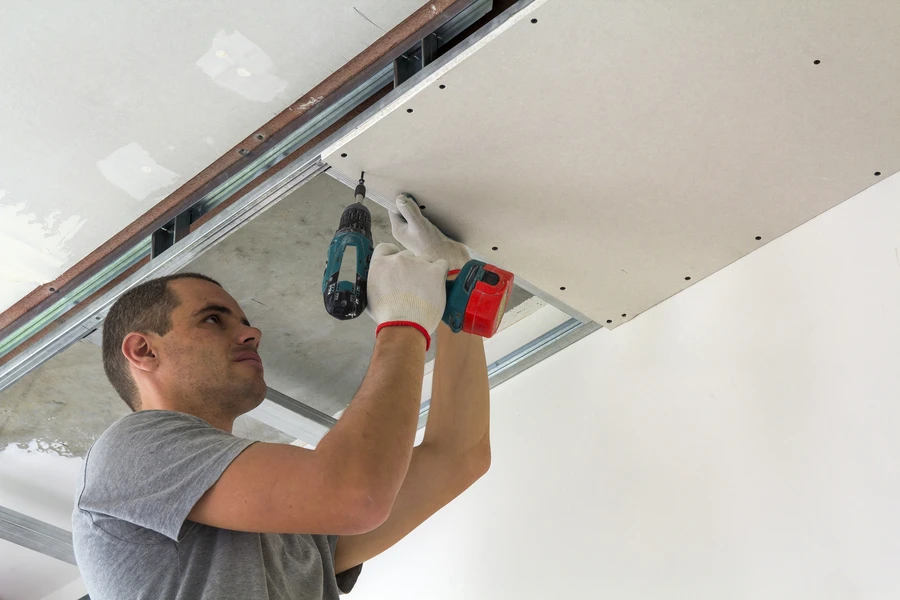
Sagging ceilings are a red flag for drywall problems. This condition often results from water damage or poor installation practices. A sagging ceiling poses safety risks and should be evaluated by experts as soon as possible. Reinforcement might be needed alongside addressing any sources of moisture that contribute to the issue.
Final Thoughts on Drywall Maintenance
Recognizing these signs of drywall damage can save you both time and money in the long run. By taking action early, you can prevent minor issues from escalating into major repairs. Our team at E and L Drywall Finishing and Repair specializes in identifying and addressing all kinds of drywall concerns efficiently. Located in Vero Beach, FL, we offer reliable services tailored to meet your specific needs. Feel free to reach out to us at (772) 713-2209 for expert guidance and support in keeping your home’s walls in top shape.